
Pre-Foundational Training
OVERVIEW
The Indigenous Court Orientation Non-Credit Micro-Credential is offered to prepare individuals interested in participating in Indigenous Courts (also known as First Nations Courts) and other justice initiatives.
This credential is intended to assist and prepare individuals to understand court principles, procedures, and the goals of Indigenous Courts, so they can contribute their knowledge and experiences to the sentencing of Indigenous individuals and assist Judges in crafting probation conditions and healing plans consistent with Indigenous values and traditions.
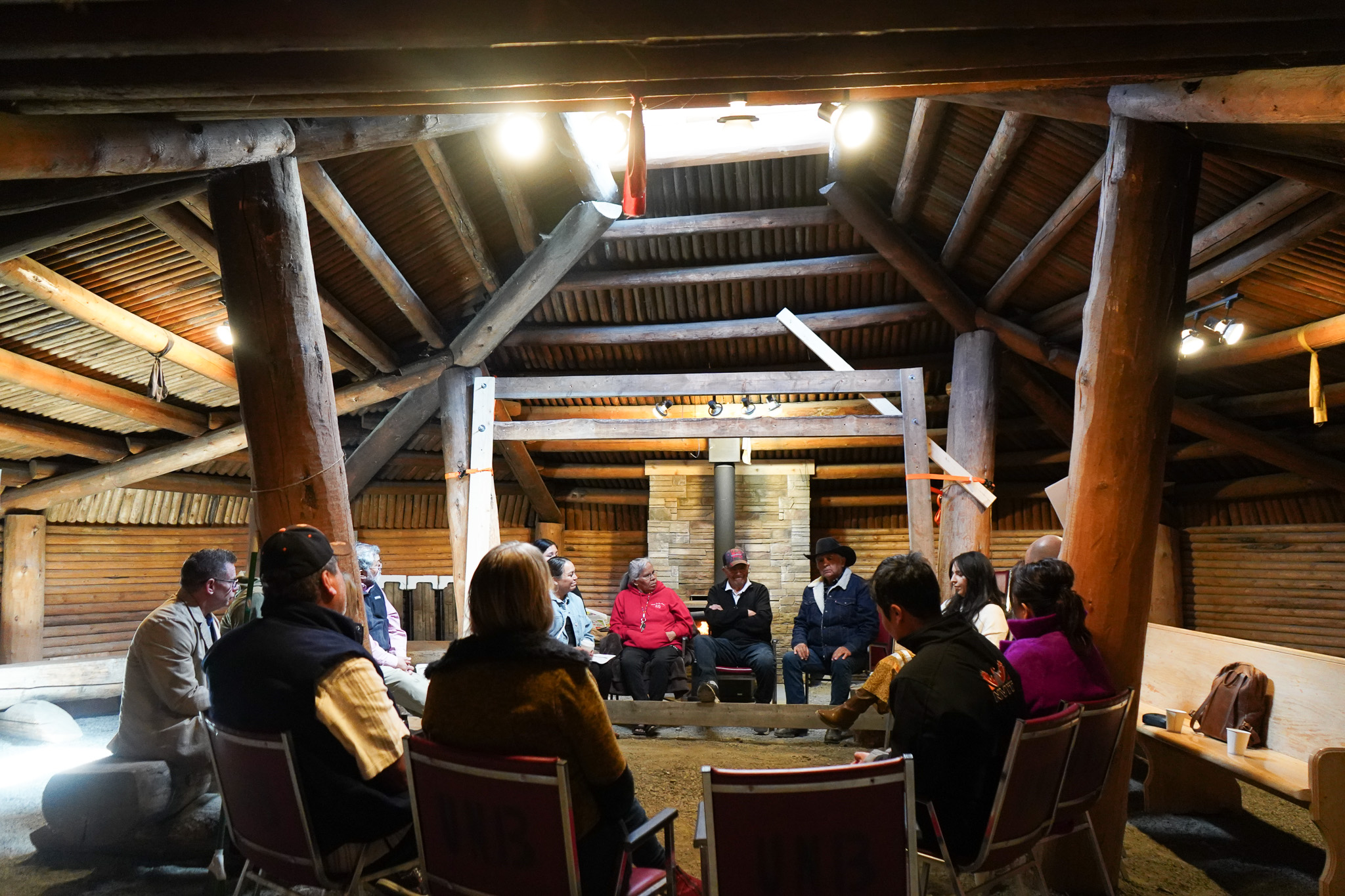
This course is designed for delivery in the province of British Columbia, including class activities and court watching in an existing Indigenous Court and regular Provincial Court. Sessions are designed to take place in a circle setting and to encourage the incorporation of localized cultural protocols and resources.
ADMISSION REQUIREMENTS
Registration is open to individuals interested in participating in Indigenous Courts such as (but not limited to) Elders, Knowledge Keepers, Court Navigators, RCMP Officers, First Nations Justice Council Members, and Community Service Workers.
NVIT is committed to ensuring education is accessible to all people. Students who do not meet program requirements should contact the Department Coordinator or an NVIT Academic Planner regarding upgrading opportunities.
GOALS
Upon successful completion of this micro-credential, participants should be able to:
- identify the historic role of criminal law in colonization;
- discuss the over-representation of Indigenous Peoples in criminal courts and prisons;
- appraise the context of criminal behavior and neurodiversity (e.g. addictions, trauma, FASD, autism, etc.);
- express an understanding of localized Indigenous values and justice traditions;
- discuss the history and purpose of Indigenous Courts;
- integrate the role of Indigenous Peoples in Indigenous Courts;
- manage a commitment to helping the court be an instrument of reconciliation between Indigenous and settler communities and values;
- manage a commitment to self-care;
- discuss the purpose and procedures of the Provincial Court;
- apply Criminal Code and Youth Criminal Justice Act sentencing principles and options;
- review the criminal justice process from complaint through arrest, court attendance, plea and disposition; and
- collaboratively craft a healing plan for individuals who have accepted responsibility for their actions.
LOOKING FOR TUITION SUPPORT?
Learn about scholarships, bursaries, grants, student loans, and entrance awards available to help with tuition.
CHOOSE PROGRAM
Browse through our programs to see what we offer. For admission requirements inquiries, book an appointment with a Recruiter.
RECEIVE A LETTER
You will receive either a Conditional Offer Letter or a Full Offer Letter by email from the Registrar’s Office.