The Board consists of eight or more members appointed by the Province of British Columbia from nominations submitted by the Board of Governors, and four elected positions, two from the students and two from faculty and the staff at NVIT. NVIT’s President and its Education Council Chair are both non-voting members of the Board. The Board sets our Mission, Values, and Vision, provides overall direction, and is a key link with communities. The Board has authorities and responsibilities determined by provincial legislation.
GOVERNANCE AT NVIT
The Board of Governors
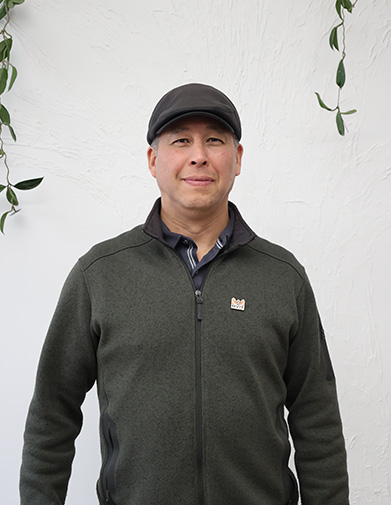
Lennard Joe is the CEO of the First Nations Forestry Council. Mr. Joe was previously the General Manager of Stuwix Resources Joint Venture and owner of Grizzly–Man Resource Management Ltd. He has over 29 years of forestry and business experience. Mr. Joe is a member of the Nlaka’pamux First Nation. Active in his community, he is President of Scwexmx Tribal Council, Board of Director for National Aboriginal Forestry Society & BC Indigenous Business Investment Council. Mr. Joe also is an Advisor to Chief & Council for the Shackan Band. Mr. Joe is a Registered Professional Forester & holds a Bachelor of Science in Natural Resources Conservation from the UBC & a Diploma in Conservation Wildlife Management from Selkirk College.

Denise Williams is a nationally and internationally recognized leader in Indigenous governance, innovation, and systems change. Her work spans higher education, philanthropy, technology, and economic well being, with a consistent focus on advancing Indigenous authority, long-term institutional accountability, and relational approaches to leadership.
She is best known for her tenure as Chief Executive Officer of the First Nations Technology Council, where she became a leading voice in centering First Nations peoples in decision-making related to technology, data, and innovation. During this time, Denise advised governments, post-secondary institutions, the philanthropic sector, and industry leaders on Indigenous-led approaches to policy, governance, and system design.
Denise is currently a Dialogue Fellow with SFU Wosk Centre for Dialogue, where her work focuses on convening complex conversations at the intersection of Indigenous rights recognition, governance, artificial intelligence, digital society, and long-term institutional transformation.
She is also the founder of The Kinship Studio, a consultancy dedicated to supporting systems-level change across academia, philanthropy, and economic wellbeing ecosystems. Through The Kinship Studio, Denise has led award-winning work that helps institutions move beyond programmatic or symbolic action toward durable and transformational governance, funding, and accountability structures that support Indigenous learners, communities, and Nations over generations.
Across her leadership and advisory roles, Denise is recognized for her ability to bridge sectors, translate complexity into actionable strategy, and steward change that is both values-driven and institutionally grounded.
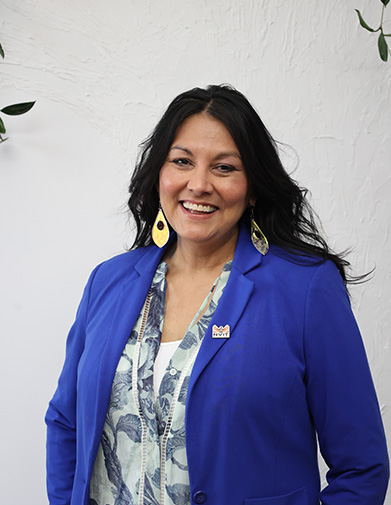
Sharon is a seasoned leader in Indigenous tourism and with almost two decades of experience in the industry, she brings a wealth of knowledge and expertise to the table.
Her career in tourism began in 2009 when she founded Kekuli Aboriginal Foods, a company dedicated to promoting Indigenous cuisine and culture. As CEO, Sharon oversaw all aspects of the business, from marketing and sales to operations and finance. Sharon also has a strong background in marketing, strategy building, and project management. She earned her MBA from Simon Fraser University and has applied those skills to various projects and initiatives in and outside the tourism industry.
Sharon has served on the board of directors for several organizations, including the Indigenous Tourism Association of BC and the Thompson Okanagan Tourism Association. She is also involved in various community initiatives, such as fundraising for local charities and mentoring women and youth in business entrepreneurship. Sharon is passionate about promoting Indigenous culture and supporting economic development in Indigenous communities.
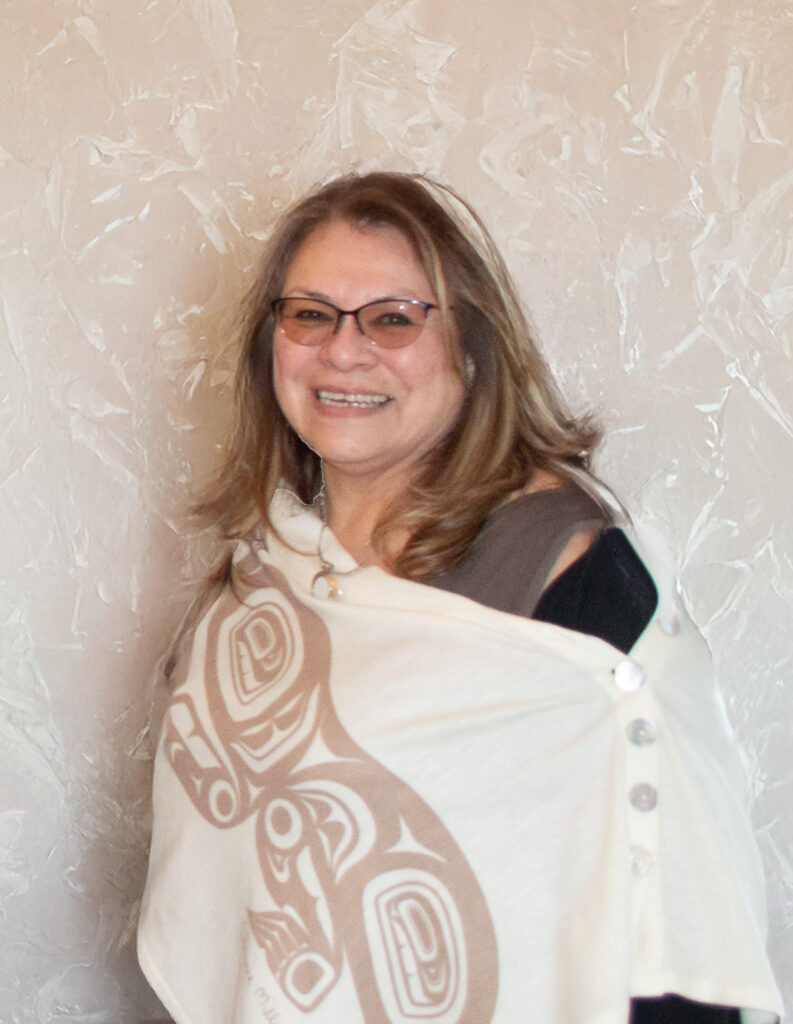
Dr. Billy-Minnabarriet of the St’uxwtews First Nation, is currently a BFN Councillor, is a passionate educator who has fostered the growth of Indigenous learners and communities throughout British Columbia. She has championed Indigenous education, decolonization and economic development in her 30-year career with the Nicola Valley Institute of Technology (NVIT) and on many provincial, national and international associations and boards. Billy Minnabarriet played a key role in building institutional partnerships for unique graduate programming, most recently the TRU/NVIT Master of Business Administration Indigenous cohort launched in 2022. She continues to create change as a former chair of the Indigenous Adult and Higher Learning Association, a consortium of 40 Indigenous post-secondary institutes in BC. Dr. Verna Billy Minnabarriet’s contributions to education and community empowerment demonstrate the commitment to indigenization and decolonization that TRU strives to foster in its students. Dr Billy Minnabarriet is currently employed with the University of British Columbia.
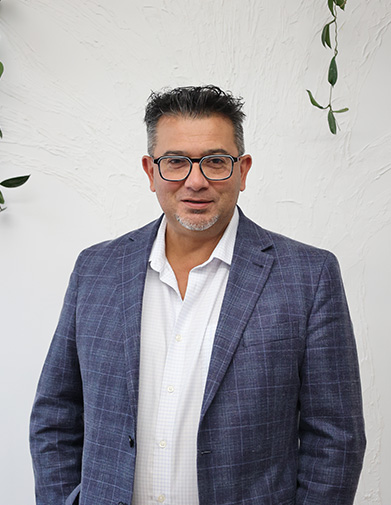
Mr. Coutlee is an accomplished education leader and governance professional with more than 30 years of experience across public education systems, Indigenous organizations, post-secondary institutions, and human service sectors in British Columbia.
Mr. Coutlee currently serves as Director of Education for the Lower Nicola Indian Band, where he provides strategic leadership for K-12 education, post-secondary student supports, career development, and community-based education programming. He oversees a multi-million-dollar portfolio, leads a large professional staff complement, and works closely with provincial and federal partners to ensure compliance, accountability, and continuous improvement in education services.
He has extensive governance experience, including long-standing service on the First Nations Education Steering Committee (FNESC), one of the largest Indigenous-led education governance bodies in North America. Through this role, he contributes to provincial-level advocacy, policy development, and strategic oversight in support of First Nations learners across British Columbia.
Mr. Coutlee’s professional background also includes senior leadership roles in public schools, district-level Indigenous education leadership, and advisory and consulting work supporting Indigenous governments, school districts, and post-secondary institutions. His expertise spans governance and leadership, risk management, collective agreements, negotiation, and organizational restructuring.
Mr. Coutlee holds a Master of Arts in Leadership from Trinity Western University and a Bachelor of Education from the University of British Columbia. He is widely recognized for his transformational, servant-leadership approach, emphasizing accountability, transparency, relationship-building, and sustainable outcomes for learners and communities.
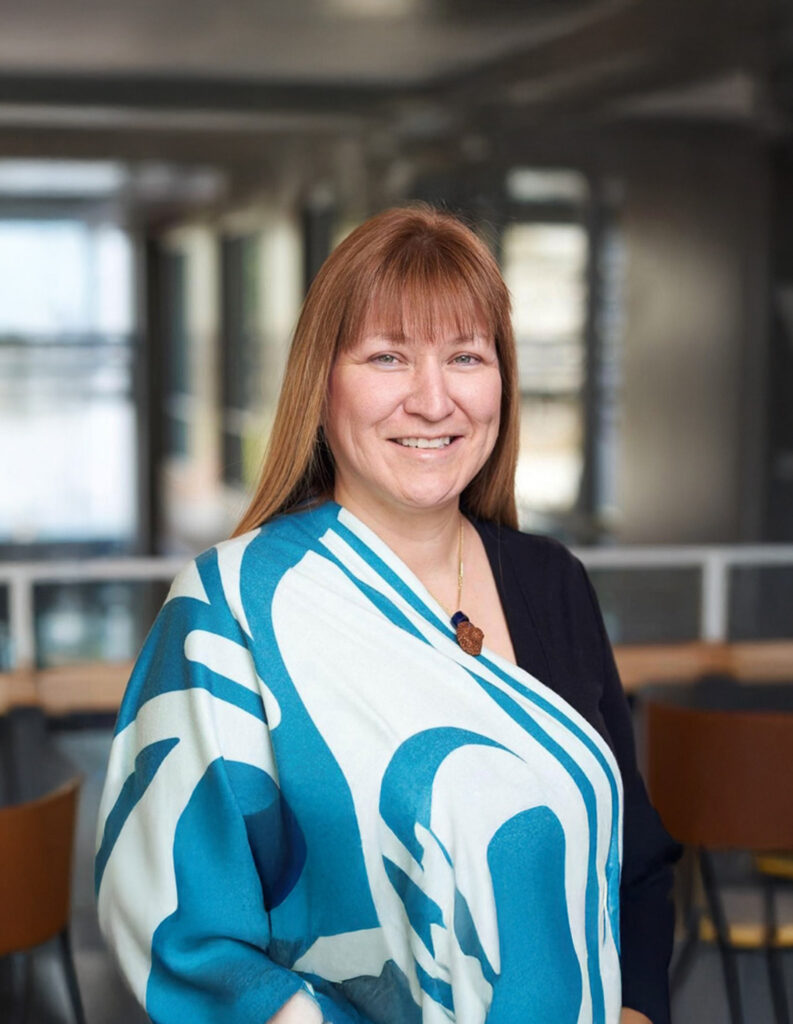
Kwitelut, Kwelaw'ikw, Xa'nusamega, Carla Rose George is a proud woman of Skwxwu7mesh and Kwakiutl ancestry. Ms. George is serving her 4th term as Elected Councillor at Squamish Nation. She also was Cultural Worker and Nexwiniwnitway Facilitator/Coordinator of Alternative Dispute Resolution for Ayás Mén̓men Child and Family Services, and Aboriginal Secretariat at Squamish Nation. Previously, Ms. George was a First Nation Support Worker at School Districts 44 and 48. Active in her community, she was Board Member at Squamish Lil’wat Cultural Centre, West Vancouver Police Board, MST Development Corporation, and Polygon Gallery. Ms. George also was Coach, Manager and Player at Squamish United 30+. She is a graduate of the Ch’nook Indigenous Business Education program at the Sauder School of Business and holds a Certificate in Indigenous Language Revitalization from the University of Victoria. Ms. George holds a Bachelor of Arts from the University of British Columbia and an Associate Degree from Capilano College.
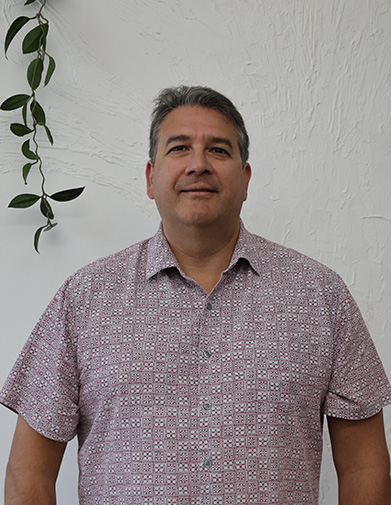
Darwin Hanna is the founding partner of Callison & Hanna Law, Indigenous Advocates. His legal work focuses on specific land claims, self-government, community development and a NWT land claim. He was lead counsel for various precedent setting Specific Claims, including Siska Indian Band v. HMTQ, 2018 SCTC 2, Akisq'nuk First Nation v. Canada 2020 and Siska Indian Band v HMTQ, 2021 SCTC 2. He has been counsel on 10 specific claim settlement agreements. For the last 24 years, Darwin has taught First Nations and Economic Development as an Adjunct Professor at UBC’s Allard School of Law and is the author of the books Legal Issues on Indigenous Economic Development and Our Tellings. He was the recipient of the GNWT Premier’s Award for collaboration on the Wildlife Act. In 2016, Callison & Hanna was awarded the BC Aboriginal Business Award. He is a Director of the piyeʔwiʔx kt Language Foundation Society. The Society hosts regular language classes, develops curriculum, and hosts the Nlakapamuxcheen site on FirstVoices. Darwin is a member of the Nlha7kápmx Nation from the community of Lytton.
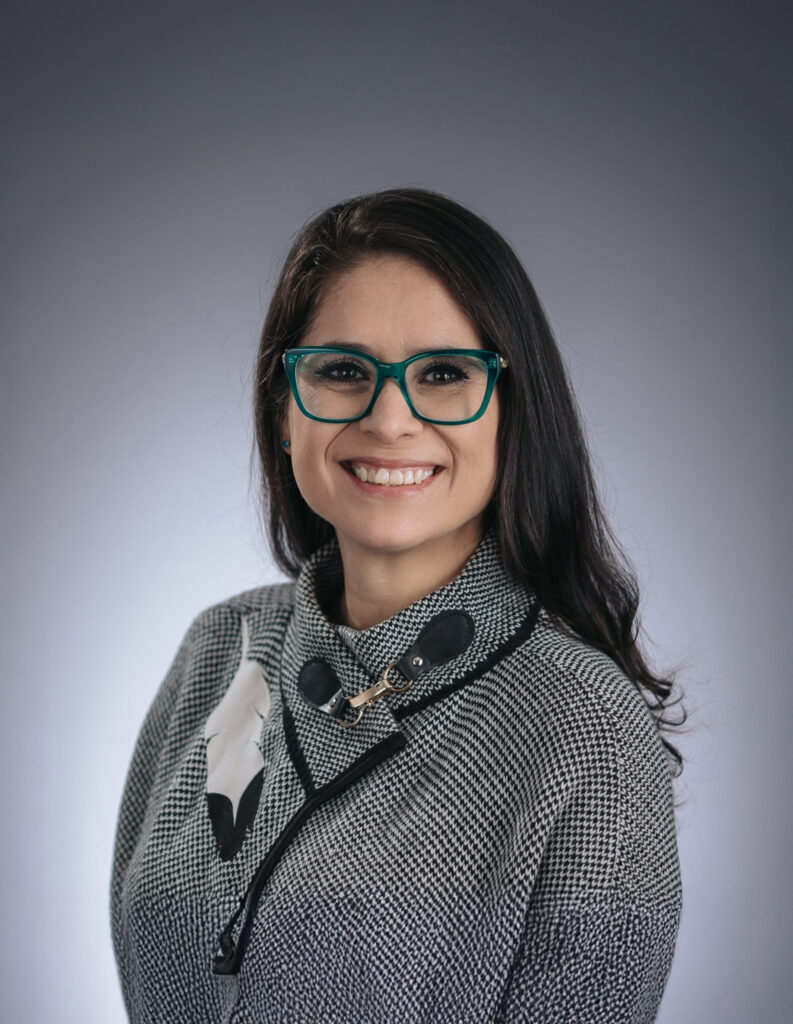
Dr. Melanie Nelson’s maternal grandmother was born into Seabird Island and married into Samahquam (St’at’imc), which is the band she is registered to. Her mother was also raised with teachings from Squiala (Stó:lō). She has been working with Saa Hiil Thut Elder Gerry Oleman from Tsal'alh (St’at’imc) since she began her doctoral work. Several generations of Dr. Nelson’s family members attended Indian Residential Schools, which is one of the main reasons she entered education. She has served as an inclusive education and Indigenous education teacher in Vancouver and North Vancouver School Districts, and a school psychologist in Langley and North Vancouver.
Dr. Nelson is currently an assistant professor in the School and Applied Child Psychology program at UBC and practicing privately with First Nations communities. Dr. Nelson holds a B.Sc., B.Ed., D.Ed., M.A., and Ph.D. and is training to become a Registered Psychologist. Her research centers on Indigenous parent experiences with assessment, Indigenous youth mental health, and inclusive education with Indigenous students. Much of her work involves supporting psychologists and other helping professionals to make their practice more responsive for Indigenous community members.
GOVERNANCE AT NVIT
Elected Members

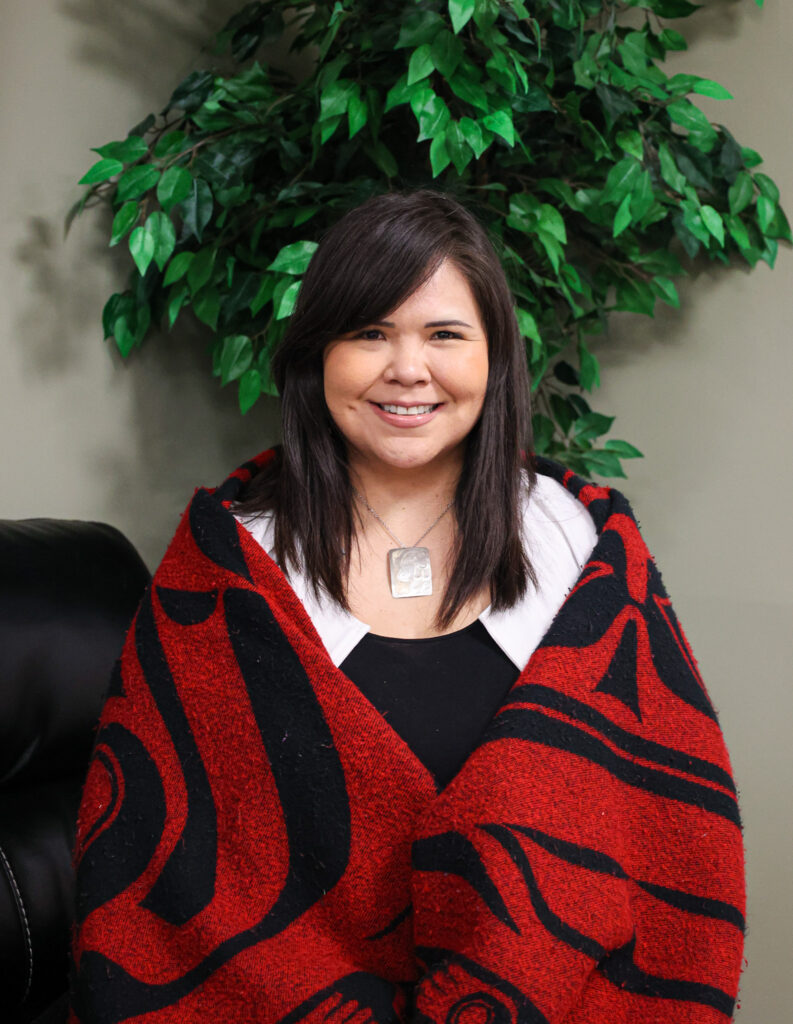
Crystal Henderson is a member of the Nakwaxda'xw Nation of the Kwakwaka'wakw people. Born and raised in Port Hardy, British Columbia, she brings a strong connection to community, culture, and lifelong learning to her professional work. Crystal moved to North Vancouver in 2012 to pursue post-secondary education, completing a Bachelor of Arts degree with a major in Liberal Studies. She has since completed a Master of Education at Thompson Rivers University. Her academic background reflects a strong commitment to education, student advocacy, and supporting Indigenous learner success.
In December 2025, Crystal began her role as an Academic and Financial Planner at (NVIT), where she supports students in navigating academic pathways and financial planning to achieve their educational goals. Through this work, she brings a student-centered and culturally responsive perspective to institutional decision-making. Crystal is honoured to serve on NVIT’s Board of Governors as a Staff Representative. In this role, she is committed to contributing thoughtfully to governance discussions and supporting NVIT’s mission to provide accessible, high-quality education grounded in Indigenous values and perspectives.
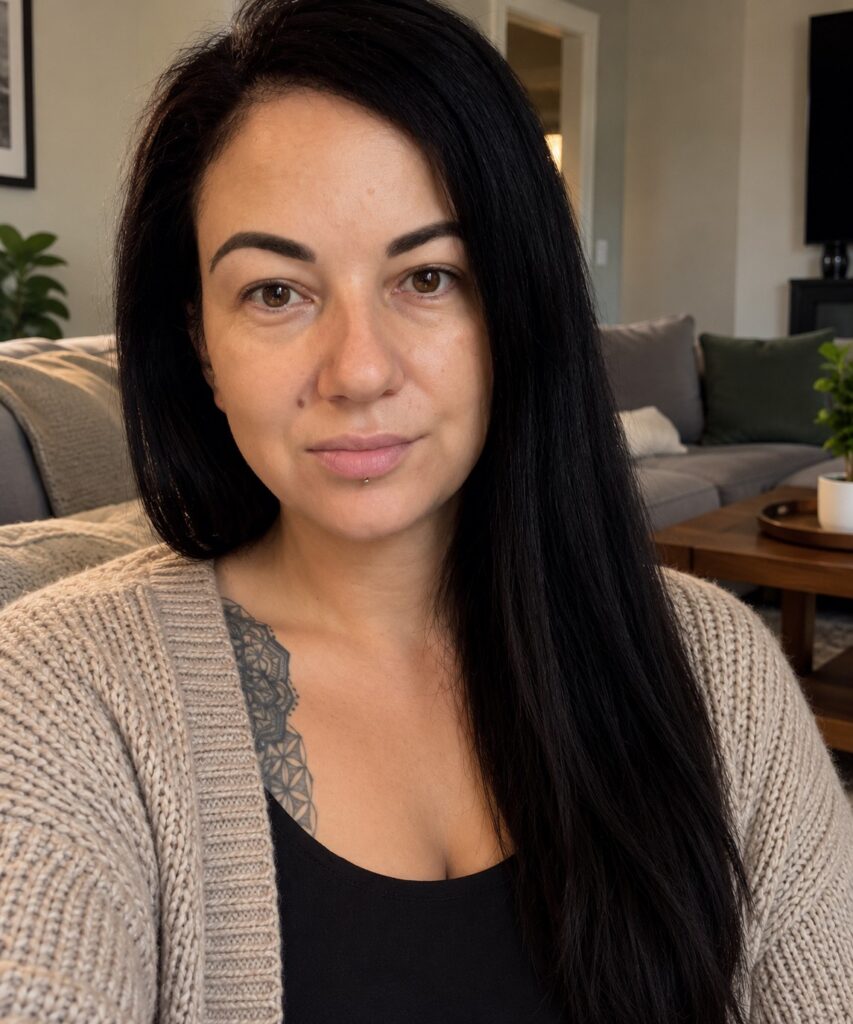
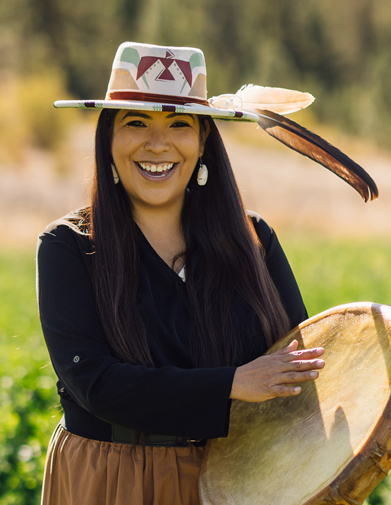
Kru Melissa Moses is a Nlaka’pamux, Syilx, and Stl’atl’imx woman born and raised in the Nicola Valley and a proud member of the Lower Nicola Indian Band. She is a Bachelor of Social Work (BSW) student at Nicola Valley Institute of Technology (NVIT) and an active student leader, serving as a Student Representative on the NVIT Board of Governors and the NVIT Education Council, a member of the NVIT Student Council, and Co-Founder of the NVIT Law and Social Justice Club. She also serves as a STC Title and Rights Stewardship Analyst for the Nicola Valley Title & Rights Holders.
Melissa is a certified Muay Thai and self-defence instructor and the first First Nations woman in Canada and the United States to be certified by the Sports Authority of Thailand and the Naikhanomtom Association. She is the Founder and Chief Instructor of Nicola Valley Muay Thai and Self-Defence, where she has trained women and youth since 2018 using culturally grounded approaches to safety, healing, and empowerment.
From 2020 to 2026, Melissa served as the Union of BC Indian Chiefs (UBCIC) Women’s Representative, advocating for Indigenous women, girls, and 2SLGBTQIA+ people across Turtle Island. Her work included advancing the MMIWG2S Calls for Justice, supporting community-driven safety initiatives, and helping pass UBCIC resolutions addressing gender-based violence and Indigenous-led healing.
Melissa is a frequent public speaker and advocate on issues including gender-based violence, human trafficking, and Indigenous women’s safety. She was mentored by NVIT faculty member, lawyer, and activist Sharon McIvor to attend the UN Committee on the Elimination of Discrimination against Women (CEDAW) in Geneva in 2024, gaining international experience in advancing Indigenous and women’s human rights. In 2025, she received the NVIT Lieutenant Governor’s Medal for Inclusion, Democracy, and Reconciliation in recognition of her leadership and service.
Grounded in her culture, community, and the teachings of her Elders and Matriarchs, Melissa continues to bridge Indigenous law, social work, and self-defence to advance healing, justice, and the safety of Indigenous women and youth.
Melissa is a certified Muay Thai and self-defence instructor and the first First Nations woman in Canada and the United States to be certified by the Sports Authority of Thailand and the Naikhanomtom Association. She is the Founder and Chief Instructor of Nicola Valley Muay Thai and Self-Defence, where she has trained women and youth since 2018 using culturally grounded approaches to safety, healing, and empowerment.
From 2020 to 2026, Melissa served as the Union of BC Indian Chiefs (UBCIC) Women’s Representative, advocating for Indigenous women, girls, and 2SLGBTQIA+ people across Turtle Island. Her work included advancing the MMIWG2S Calls for Justice, supporting community-driven safety initiatives, and helping pass UBCIC resolutions addressing gender-based violence and Indigenous-led healing.
Melissa is a frequent public speaker and advocate on issues including gender-based violence, human trafficking, and Indigenous women’s safety. She was mentored by NVIT faculty member, lawyer, and activist Sharon McIvor to attend the UN Committee on the Elimination of Discrimination against Women (CEDAW) in Geneva in 2024, gaining international experience in advancing Indigenous and women’s human rights. In 2025, she received the NVIT Lieutenant Governor’s Medal for Inclusion, Democracy, and Reconciliation in recognition of her leadership and service.
Grounded in her culture, community, and the teachings of her Elders and Matriarchs, Melissa continues to bridge Indigenous law, social work, and self-defence to advance healing, justice, and the safety of Indigenous women and youth.
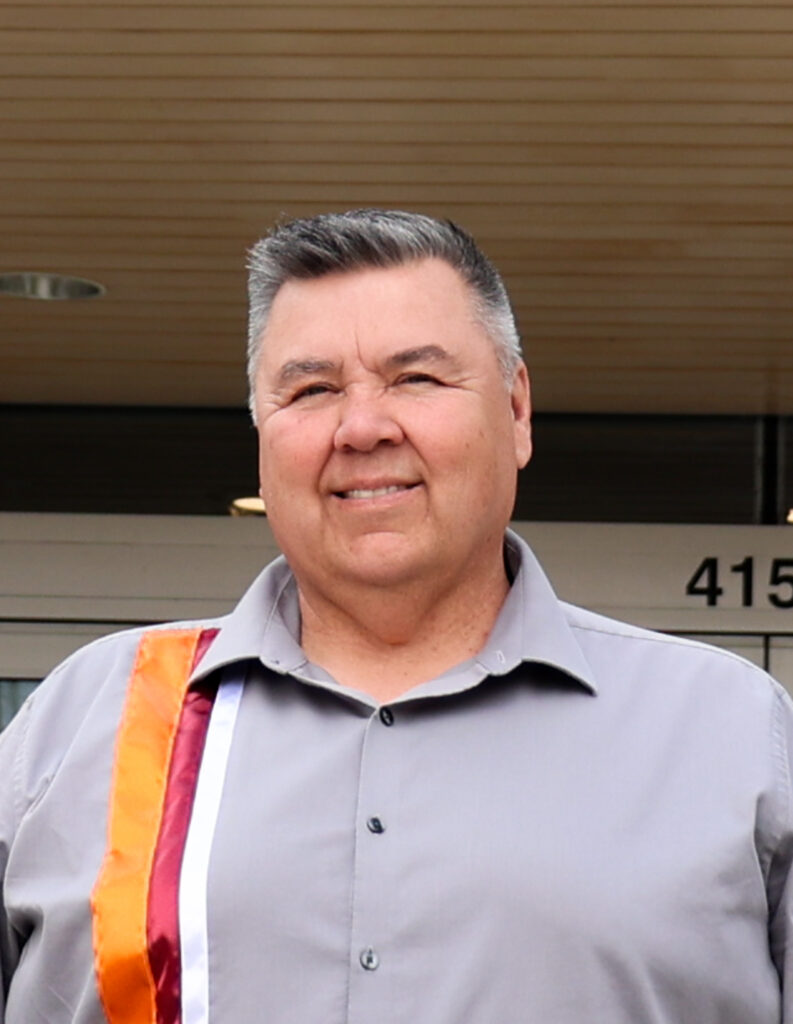
Dr. John Chenoweth, PhD, is a member of the Upper Nicola Indian Band of the Okanagan Nation. Dr. Chenoweth is a graduate of the University of BC - Native Indian Teacher Education Program (NITEP) and has worked as an educator within the Nicola Valley since 1994. In 2007 John joined NVIT in the roles of Dean of Community Education and Associate and VP of Academic respectively, and in August 2024 was appointed President & CEO.
Dr. Chenoweth’s interests include the use of Indigenous Storywork and Elder protocols as theories and methodologies. Through these approaches, he encourages the critical examination of questions facing both Indigenous communities and the educational system, with the aim of advancing balance and wellbeing within Indigenous communities.
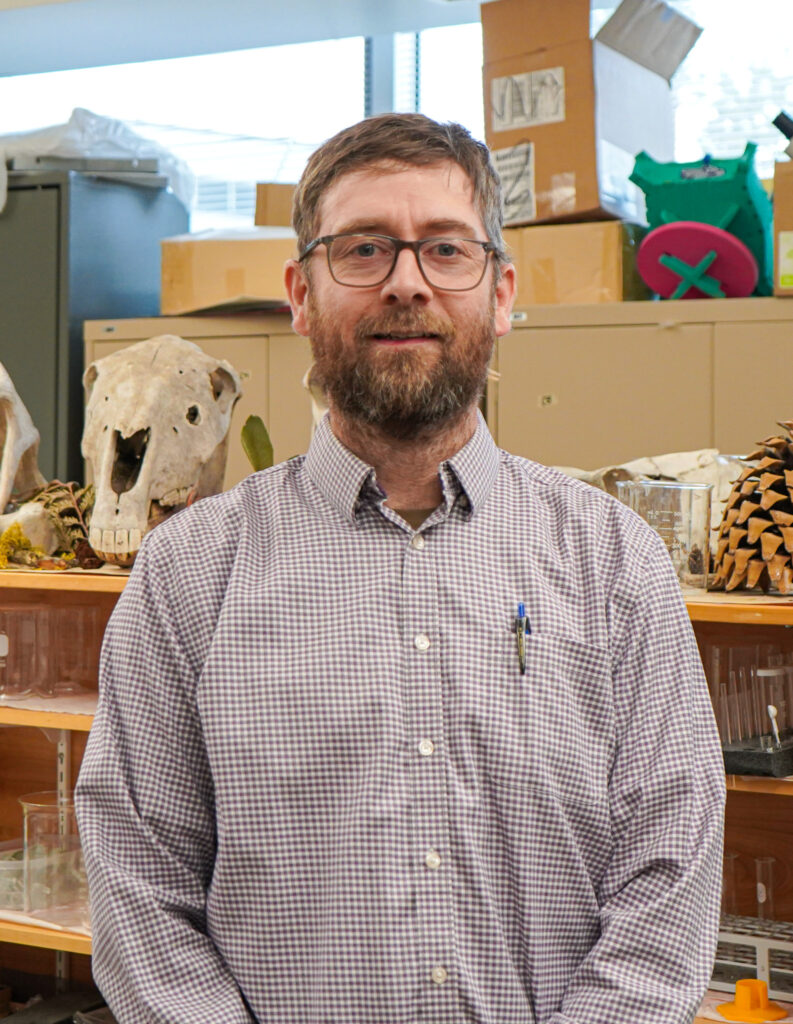
Dr. Willms joined the NVIT family as an instructor in fish and wildlife biology at NVIT’s Merritt Campus in 2015. He is a Registered Professional Biologist, Professional Agrologist, and is currently co-Chairing NVIT’s Environmental Resources Technology Program. Tom completed his PhD at the University of Northern British Columbia where he studied thermal ecology and behaviour of juvenile Pacific salmon in freshwater. He has also recently led initiatives aimed at partnering with beavers to restore hydrological processes in the Nicola Watershed after years of extreme flood and drought cycles. Tom’s research and technical work with students focuses on nature-based solutions to environmental problems that are informed by both Western science and Indigenous Ways of Knowing.